Curious why Fraser feels like more than just another mountain town? Its creative energy is not only visible in murals, events, and public spaces, but also in the way the town is planning for growth. If you are watching real estate in Fraser, that matters because arts investment, downtown policy, housing strategy, and outdoor access are all shaping what kinds of properties may stand out over time. Let’s dive in.
Fraser’s creative identity has real market weight
In Fraser, creativity is backed by public policy and ongoing town investment. The Town of Fraser has a Public Arts Committee, and its work includes the Fraser Center for the Creative Arts, the Fraser Mountain Mural Festival, the Sculpture Program, and the Zephyr Chairlift Beautification Program.
That matters because it shows the arts scene is part of the town’s long-term civic framework, not a short-term promotion. In spring 2026 alone, the committee reviewed 69 applications for Mural Fest 2026, while the town also continued recurring public events like Picnic in the Park and Fire & Ice.
For real estate buyers, sellers, and investors, that kind of consistency can influence how people experience a place year-round. A town that keeps investing in culture and gathering spaces often creates stronger demand for properties connected to those experiences.
Downtown Fraser is being shaped for walkability
Fraser’s Riverwalk District was rezoned to encourage denser mixed-use development. The town requires ground-floor commercial along Clayton Court and Highway 40, and the Business District code allows many mixed-use projects with no minimum lot area and no minimum front, side, or rear yard requirements.
This is a meaningful signal for the market. It points toward a downtown form that supports storefronts, service businesses, restaurants, patios, and residential uses that benefit from foot traffic and public activity.
Fraser’s Downtown Development Authority is also focused on placemaking. Its agenda includes public art, parks and plazas, landscaping, multimodal transportation, business attraction, safety upgrades, community events, and grants for business improvements.
The town’s Business Enhancement Grant program adds another layer. It supports publicly displayed art, patios, gathering spaces, façade improvements, lighting, signage, and other exterior upgrades that can help shape the feel and function of downtown properties.
Visitor traffic supports an active downtown
A walkable downtown works best when people actually use it, and Fraser has strong visitor flow. The town says it can see 15,000 to 20,000 visitors on a busy day, which creates a large audience for retail, dining, and service-oriented spaces.
Access also helps. Fraser highlights connections through US-40, Amtrak and the Ski Train, Bustang, Grand Mountain Rides, Home James, and the free LIFT bus.
The town has also said a Main Street initiative is underway along Clayton Court with $1.5 million in grant funding. Add in more than 175 housing units and an early childhood center in development next to downtown, and you can see why the built environment is becoming more interconnected.
The Fraser Center for the Creative Arts could anchor Main Street
One of the clearest examples of Fraser’s creative strategy influencing real estate is the Fraser Center for the Creative Arts. The town’s economic development materials describe the center as an anchor for downtown development.
That language is important. When a community treats an arts venue as an anchor, it often signals confidence in nearby activity, pedestrian use, and long-term place-making.
The town says land was deeded to Fraser Valley Arts in 2024 to secure the project’s future home on Main Street. For property owners and buyers, that suggests the arts are being woven directly into how downtown Fraser may evolve.
Fraser is both seasonal and year-round
One of the most important things to understand about Fraser real estate is that it serves more than one kind of demand. The town’s 2026 comprehensive-plan draft says Fraser reached 1,400 full-time residents in 2020, while seasonal residents, second homeowners, and visitors create much larger population swings during peak seasons.
Its housing data reinforces that pattern. A town draft on water efficiency says Fraser had 1,426 housing units in 2020, with 64% single-family, 29% multifamily, and 7% mobile homes.
Only 515 of those units were occupied full-time, while 631 were seasonal, recreational, or occasionally vacant. That blend gives Fraser a market identity that is different from a purely local year-round market or a purely resort-driven one.
For buyers, this means you are looking at a town that needs homes for full-time living while also serving second-home and seasonal ownership patterns. For sellers and investors, it means demand can come from several directions at once.
Housing needs are pushing flexibility
Fraser’s housing strategy shows a need for more varied housing types. The 2022 Fraser River Valley Housing Needs Assessment found that 645 to 730 additional housing units were still needed by the end of 2027, even after accounting for units already under construction.
The same assessment found a need for more townhouses, duplexes, smaller units, and stable rental apartments. It also noted that studio and one-bedroom inventory is relatively limited.
This helps explain why flexibility is becoming more important in Fraser’s real estate conversation. When a town needs a broader mix of housing, smaller-format and multi-type properties often become more relevant.
Smaller housing types have policy support
Fraser is not just talking about flexibility. The town’s code already allows accessory dwelling units, or ADUs, with a minimum size of 200 square feet and a maximum of 1,200 square feet.
These ADUs can be attached, detached, or located in a garage. The town’s 2025 ordinance describes them as an affordable, flexible housing option that adds density gently.
That approach matters because it shows Fraser is trying to make room for housing choices without losing its mountain-town character. It also gives property owners and buyers another way to think about how a home site may function over time.
Live-work potential fits Fraser’s direction
Fraser’s draft comprehensive plan also calls for zoning amendments to allow live-work units and home-based business options in appropriate locations. That idea fits naturally with the town’s creative identity and mixed-use planning goals.
For some buyers, a property that supports both living and working could become more appealing as the town evolves. For commercial and development-minded clients, it is another sign that Fraser is planning for a more adaptable built environment.
This does not mean every property will fit that use. It does mean the town is signaling openness to formats that support a more active, year-round local economy.
Outdoor access and sustainability add value
Fraser’s market identity is not shaped by arts and downtown planning alone. Sustainability and outdoor access are also central parts of the town’s priorities.
The town says it committed in 2015 to a three-part sustainability initiative that included an energy audit of town properties, a town-wide sustainability plan, and regional cooperation on municipal solid-waste management. Its current priorities also highlight sustainable public transportation and broader planning around land use, housing, transportation, economic development, and community character.
The Fraser River Corridor Master Plan adds even more context. It centers on Cozens Ranch Open Space, a 120-acre area with more than 3 miles of the Fraser River, and focuses on balancing recreation and preservation while improving access and trail connectivity.
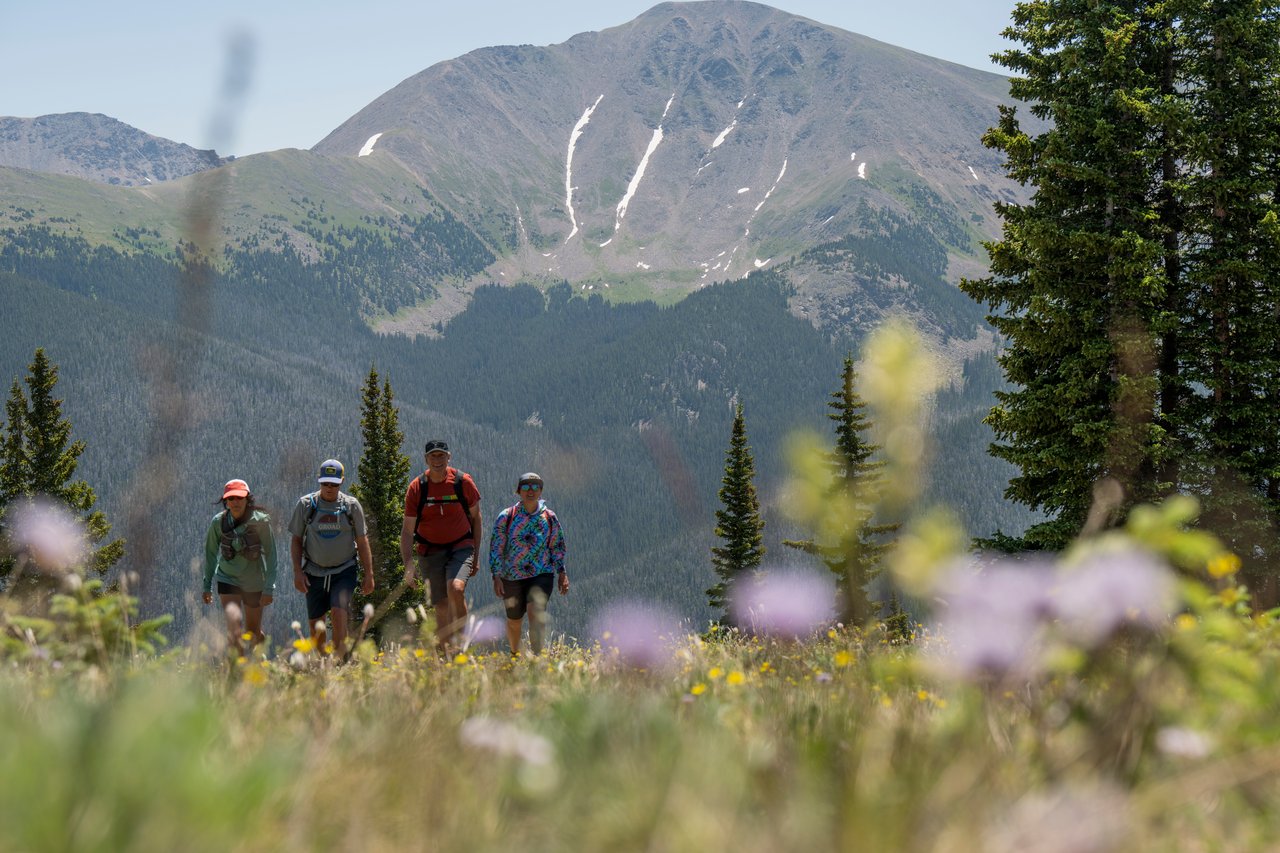
Current work includes bike-skills trails and a trailhead hub with seating, shade, bike repair stations, signage, and other gathering features. In practical terms, that can increase the appeal of homes and commercial properties that benefit from trail access, open space, pedestrian use, and four-season activity.
What this means for Fraser real estate
When you step back, the pattern becomes clearer. Fraser’s arts programming, downtown investment, housing policy, and outdoor planning are all pointing in a similar direction.
The town appears to be supporting walkable mixed-use downtown buildings, flexible smaller-scale housing, and properties that work for both year-round living and seasonal surges. That is what makes Fraser’s creative energy economically relevant, not just visually appealing.
If you are a buyer, this may help you think beyond the home itself and focus on how the town is positioning certain areas and property types. If you are a seller, it can help you frame your property in the context of downtown momentum, outdoor access, flexibility, or long-term place value.
For investors, builders, and commercial buyers, Fraser offers something especially interesting: policy alignment. When public art, downtown revitalization, transportation access, housing flexibility, and sustainability priorities all move together, they can create a clearer story about where opportunity may emerge.
In a broader Fraser Valley market known for lifestyle appeal, Fraser stands out because creativity is being treated as infrastructure. That gives the town a distinct identity, and it gives real estate decisions more context.
If you want help evaluating land, homes, or commercial opportunities in the Fraser Valley, connect with Sanderson Real Estate for local guidance grounded in Grand County market knowledge.
FAQs
How does Fraser’s arts scene affect Fraser real estate?
- Fraser’s arts scene is supported by town programs, public events, murals, sculpture, and the planned Fraser Center for the Creative Arts, which can strengthen place identity and support demand for properties tied to active public spaces.
Is Fraser, Colorado, a seasonal or year-round housing market?
- Fraser is both, with a full-time resident base and a large seasonal and second-home presence that creates population swings during peak times.
What property types are most needed in Fraser?
- The 2022 housing assessment points to demand for more townhouses, duplexes, smaller units, and stable rental apartments, with limited studio and one-bedroom inventory.
Are mixed-use properties important in downtown Fraser?
- Yes, town zoning and downtown policy support walkable mixed-use buildings, especially along Clayton Court and Highway 40 where ground-floor commercial is required in key areas.
Can accessory dwelling units be built in Fraser?
- Fraser allows ADUs from 200 to 1,200 square feet, and they may be attached, detached, or placed in a garage, depending on the property and code requirements.
Why does outdoor access matter in Fraser property values?
- Fraser’s planning priorities emphasize trails, open space, pedestrian circulation, and year-round recreation, which can make properties near those amenities more appealing to buyers and visitors.